The Story Behind the Name "Hoot HRT"
People ask about the owl a lot, so here's the honest answer.
"HRT" is simple. It stands for Hormone Replacement Therapy. The "Hoot" part came from somewhere else. We originally wanted a name built around "Hormone Optimization Of Texas," but another Texas hormone company already had it. Instead of forcing something awkward, we picked a name that does what good branding is supposed to do. It's short, it's easy to remember, and it's easy to type into a browser without thinking twice.
The owl is just a visual nod to "Hoot." Nothing deeper than that. We're not going to pretend it stands for ancient wisdom or some hidden symbolism. It's a name people remember, and that's the whole point.
We also made a deliberate choice not to spell it with an X or a Z to make it sound more clinical or futuristic. That kind of branding usually means a company is trying to look like something it isn't. We'd rather just be straightforward about who we are and what we do, starting with the name on the door.
Why we started this clinic
Before Hoot HRT existed, John and I were both watching the same problem play out from different sides of medicine. He was seeing it in the emergency department, where patients showed up with the downstream damage of years of unmanaged metabolic and hormonal decline. I was seeing it in patients who knew something was wrong but kept getting told their labs were fine.
Neither of us thought the answer was opening another high-volume hormone clinic. There are plenty of those already, and they tend to run on the same model: quick intake, standard protocol, minimal follow-up. We wanted something different. A clinic small enough that we could actually know our patients, built around real evaluation instead of a one-size-fits-all prescription pad.
That’s the gap Hoot HRT was built to fill. Not a faster way to get testosterone. A better way to get evaluated, treated, and followed up with by people who have time to pay attention.
Who we are
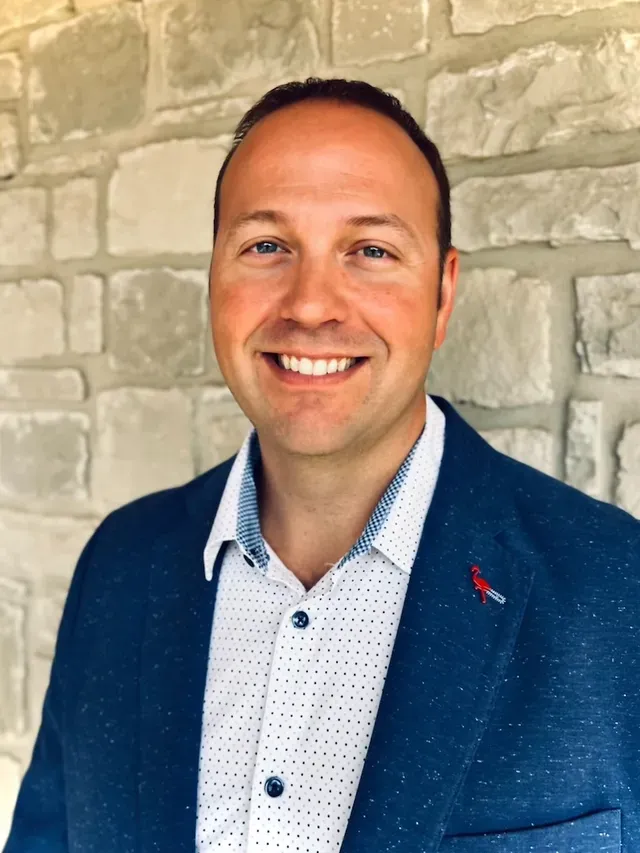
John M. Cash, MD — Medical Director & Co-Owner
John started his career as an Army medic, which is where his interest in patient care actually began. He provides medical oversight and direct patient care at Hoot HRT in San Antonio.
His path took him through Saba University School of Medicine, then into an emergency medicine residency at Louisiana State University Health Science Center in New Orleans, where he built the clinical judgment that still shapes how he practices today. He’s also certified through the Bio-Identical Hormone Replacement Therapy Training Academy.
John has his own history with hormone therapy. He ran into the same obstacles many of our patients describe, slow primary care, insurance pushback, symptoms that got brushed aside, before finding real improvement once he got proper treatment. That experience is a big part of why he co-founded this clinic, and it’s also why he tends to ask new patients more questions than a typical first visit usually involves. He wants the full picture, not just the chief complaint.
In the emergency department, John still sees what happens when metabolic and hormonal health goes unmanaged for years. That perspective carries over into how he practices here. He’d rather catch a problem early and adjust a treatment plan than wait for something to become urgent.

Joe B. Hamm, MPAS, PA-C — Co-Founder & Partner
I’ve worked as a physician assistant for over 12 years, with a focus on hormone optimization and medically guided weight loss for men and women.
My background includes a fellowship in Emergency Medicine Physician Assistant studies at Naval Medical Center in San Diego, a Master of Science in Physician Assistant Studies, and an undergraduate degree from the University of Nebraska. I’m BHRT certified, I’m a hormone replacement patient myself, and I was recognized as a member of the Pi Alpha Honor Society. I’ve also taught as an Assistant Adjunct Professor with the University of Nebraska Medical College.
A lot of what I bring to this clinic comes from my own experience as a patient first and a provider second. I know what it feels like to sit across from someone and have them brush off symptoms that are very real. That’s not how we practice here, and it’s not how I want anyone on our team to practice, now or as we grow.
Outside the clinic, I spend my time on golf, hiking, weightlifting, bowling, jiu-jitsu, and time with my family. I bring that same mindset, training consistently, paying attention to recovery, not chasing shortcuts, into how I think about patient care.
Together, John and I run Hoot HRT as a telehealth clinic based in San Antonio, serving patients across the entire state, including Austin.
What "quality over quantity" actually looks like for a patient
It’s easy for a clinic to say it cares more about quality than volume. The harder part is what that actually changes about your experience. Here’s what it means in practice at Hoot HRT.
You’re not handed off to a rotating cast of providers. You work with John or me directly, and we stay involved in your care over time, not just at the first visit.
Your intake isn’t a five-minute form. We want to understand your symptoms, your history, your goals, and what’s actually getting in the way of feeling like yourself.
Your follow-up isn’t an afterthought. Once you’re on a treatment plan, we check in through visits, messages, and calls as your labs and symptoms evolve, not just when something goes wrong.
Your questions get answered by someone who knows your case, not a call center reading from a script.
None of that scales well to thousands of patients, which is exactly why we don’t try to take thousands of patients.
How telehealth care with us actually works
If you’ve never done telehealth hormone care before, here’s the general flow.
You start by reaching out through our website and scheduling a free initial consultation with John or me. That conversation is where we talk through your symptoms, your goals, and whether Hoot HRT is a good fit for what you’re dealing with.
From there, we get you set up with labs, usually through Quest Diagnostics, so we can see the full picture before recommending anything. If you’ve already got recent labs, we may be able to use those instead of starting over.
Once your results are back, we schedule a follow-up to walk through what they show, explain our recommendation, and answer whatever questions you have. This is also where we talk through cost, logistics, and what ongoing care looks like.
If you decide to move forward, your medication ships to you, and we stay in touch as you start treatment, watching how you respond and adjusting as needed based on labs and how you actually feel.
At no point are you locked into a long-term contract you can’t get out of. If it’s not the right fit, you’re free to walk away.
Why we keep our patient panel small, on purpose
Here’s the thing that actually sets us apart. We cap the number of patients we take.
Two providers can’t deliver real, individualized care to thousands of people. We’re not going to pretend otherwise just to grow faster. We’d rather this feel like a place you actually belong, not a clinic that cycles you through and moves on to the next appointment.
As we grow, we’ll open a waitlist instead of stretching ourselves thin. If we eventually bring on another provider, they’ll go through a full training process and learn our protocols and our approach to patient care before they ever see a single patient of ours. Once someone joins Hoot HRT, they stay with us. When a spot opens up, we bring someone new in, but we never rush visits or treat people like a number.
One thing worth clarifying: our Google review count doesn’t reflect our total patient volume. We keep that panel small on purpose, so the reviews reflect quality of experience, not headcount.
How labs and logistics actually work
We use Quest Diagnostics for lab work. If you already have recent labs, we’ll accept outside results as long as they were drawn within the past three months. If we need additional labs to treat you safely, we’ll send a PayPal invoice for those specific tests, then submit the orders to Quest. From there, you visit Quest to have blood drawn, the results come back to us, and we build out your treatment plan from there.
We try to keep this part simple on purpose. The medical decisions are where we want your attention focused, not the logistics of getting blood drawn.
Want in?
If a small, no-gimmicks practice sounds like what you’ve been looking for, reach out through our website. Hoot HRT serves San Antonio, Austin, and the rest of Texas by telehealth. If we’re at capacity when you reach out, we’ll add you to the waitlist and bring you in as soon as we genuinely have room to do it right.
Written and Medically Reviewed by: Joe Hamm, PA-C, Co-Founder, Hoot HRT
Published by: Hoot HRT